
Google Quietly solves major issue with Quick Share for windows, making file transfers smoother and faster

One of the most efficient ways to transfer files between Android devices and Windows PCs is through Google’s Quick Share. This tool is fast, easy to set up, and, until recently, had a frustrating limitation: it only worked efficiently if both devices were on the same Wi-Fi network. Google, however, has quietly addressed this limitation, making Quick Share far more versatile and effective in various network environments.
Quick Share’s Early Network Restriction Issue
When Google introduced Quick Share for Windows in 2023, the tool’s optimal file transfer speeds depended on both devices being connected to the same Wi-Fi network. If this condition wasn’t met, Quick Share would fall back to a slower Bluetooth connection, which significantly delayed large file transfers. For instance, when transferring a 5.4GB file over Bluetooth, the speed hovered around 60KB/s, requiring close to 24 hours to complete. In contrast, transferring the same file over a Wi-Fi connection boosted the speed to roughly 30MB/s, completing the process in just a few minutes.
The Quiet Update That Changed Everything
Recently, users have discovered that Quick Share can now transfer files over Wi-Fi speeds, even when the Windows PC isn’t on a Wi-Fi network. This change, though not formally announced by Google, has transformed Quick Share into a much more versatile tool. Testing has shown that even with no Wi-Fi network connection on the PC, Quick Share can still reach transfer speeds around 30MB/s or higher, as long as the PC’s Wi-Fi adapter is active.
How This New Setup Works
When initiating transfers from two Android devices (for example, a Xiaomi 14T Pro and a OnePlus 12) to two Windows PCs, the process often starts over Bluetooth but quickly switches to a much faster connection. Initially, the transfer speed is about 60-80KB/s, typical for Bluetooth, but then speeds up to 30-40MB/s as the Android device creates a temporary Wi-Fi hotspot to support faster data transfer. The hotspot name usually includes the term “DIRECT,” suggesting a Wi-Fi Direct-type connection, although there’s currently no confirmed use of Wi-Fi Direct in the Windows Nearby library.
Enhanced Portability with Quick Share
For users frequently on the move, the update eliminates the need to connect both devices to the same Wi-Fi network, making file sharing significantly more flexible. Transfer speeds vary based on the devices’ Wi-Fi capabilities and environmental factors, with some tests recording speeds as high as 90-110MB/s. This improvement means that large files can now be sent almost anywhere without lengthy wait times, which is invaluable for users on public networks or traveling.
Remaining Limitation: ARM Compatibility
While this update is a significant improvement, Quick Share for Windows still lacks official support for ARM-based Windows devices. Interestingly, the Quick Share app does run on ARM devices like Copilot Plus PCs, but installation requires transferring files from an x64 Windows machine, as the Quick Share installer currently fails on ARM devices.
With the restriction of needing a shared Wi-Fi network removed, Google has made Quick Share for Windows a much more versatile and accessible tool, addressing one of the most significant limitations users faced. While ARM compatibility is still pending, Quick Share now offers fast, reliable transfers between Android devices and Windows PCs in almost any setting, allowing users to work more efficiently wherever they are.





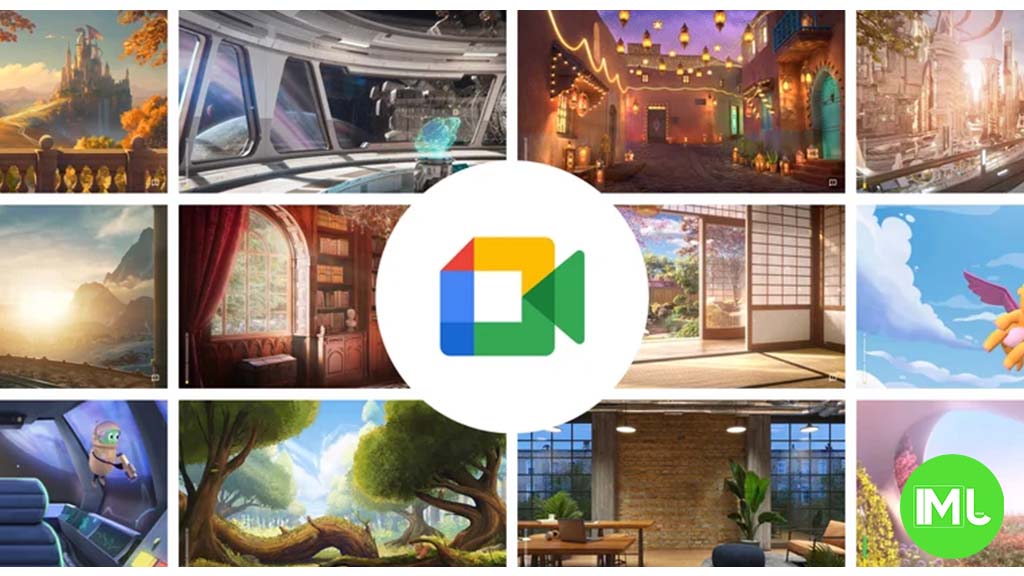
Google Meet is getting a big update to its look, thanks to the new Material 3 design. This change brings a cleaner and more modern style to the video calling app, making it easier and more enjoyable to use.
With Material 3, Google Meet now has rounder buttons, softer colors, and better spacing between elements. The main controls, like the microphone, camera, and end call buttons, are now larger and easier to tap. The icons and text are also clearer, which helps users find what they need quickly during a call.
Another improvement is the new “expressive” color system. This feature lets the app’s colors match your device’s wallpaper or theme, giving each user a unique and personalized experience. The changes also make Google Meet more accessible, as the new design is easier to read and use for everyone, including people with vision difficulties.
These updates are rolling out to both web and mobile versions of Google Meet. Google says the new look will help people feel more comfortable and focused during their meetings. Overall, the Material 3 update makes Google Meet not only look better but also work better for all its users.
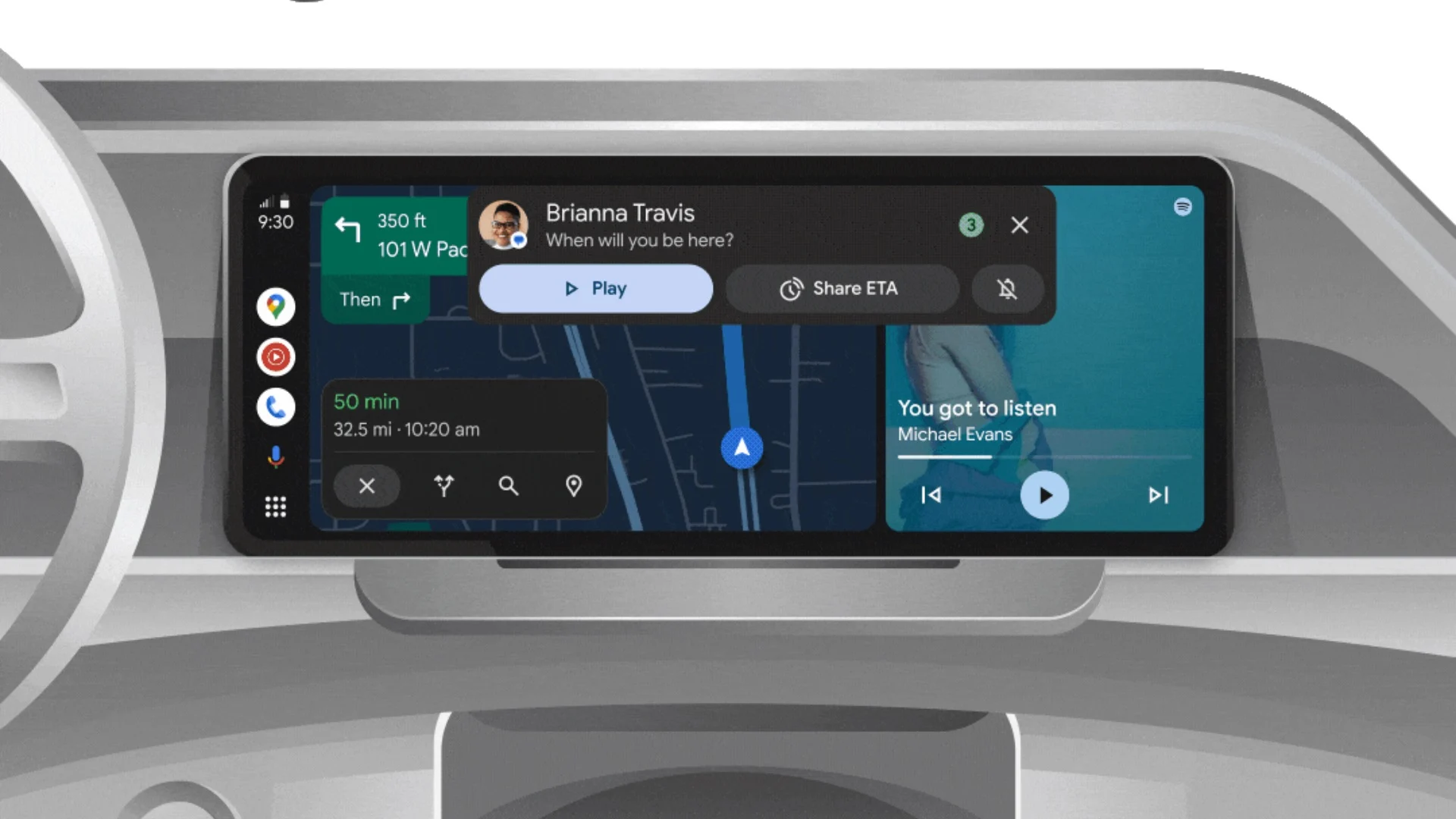
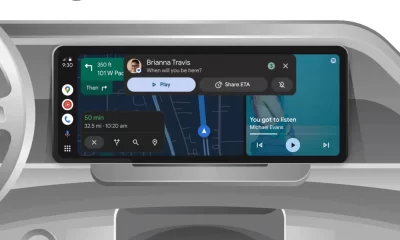
Android Auto is a helpful tool that lets you use your phone’s apps safely while driving. It connects your phone to your car’s screen, making it easier to use maps, music, and calls. One of the features many people like is the ability to change how Android Auto looks by switching between light and dark themes.
How to switch between light and dark themes
Android Auto offers two main themes: light and dark. The light theme uses brighter colors, which can make the screen easier to see during the day. The dark theme uses darker colors, which can be more comfortable for your eyes at night or in low light.
To change the theme, follow these steps:
- Open the Android Auto app on your phone.
- Go to the settings menu.
- Find the “Theme” option.
- Choose between “Light,” “Dark,” or “Set by car” (this lets your car decide the theme based on the time of day or your car’s settings).
Why themes matter
Using the right theme can make driving safer and more comfortable. The light theme is good for bright days, while the dark theme helps reduce glare at night. Having these options means you can pick what works best for you, making Android Auto easier to use in any condition.
In short, Android Auto’s theme options are simple to use and help you drive more safely by making the screen easy to see, no matter the time of day.
Google is rolling out some helpful updates to two of its popular apps: Google Drive and Files by Google. These changes are designed to make managing your files and watching videos much smoother.
First, Google Drive is getting a new video player. Now, when you upload a video to Drive and open it, you’ll notice a fresh look that matches Google’s latest design style. The controls, like play and pause, are easier to use and look cleaner. This update makes it simpler to watch videos directly in Drive without needing to download them first.
Meanwhile, the Files by Google app is also getting a makeover. The app is adopting Google’s Material 3 design, which means it looks brighter and more modern. The buttons and menus are easier to see and use, making it simpler to find, move, and organize your files. There are also new color options and improved icons, so everything feels more user-friendly.
Both updates show Google’s commitment to making its apps more helpful and enjoyable to use. Whether you’re watching videos in Drive or sorting files on your phone, these changes aim to save you time and make things less complicated. If you use these apps, keep an eye out for these new features—they should arrive soon!
-
 Apps2 years ago
Gboard Proofread feature will support selected text
-

 Apps2 years ago
Google Contacts app testing new Besties Widget
-
 AI2 years ago
Google Pixel 9 Pro may come with a complimentary one-year Gemini Advanced subscription
-
 Apps2 years ago
Google working on a new video editing feature for its Photo app
-
 Apps2 years ago
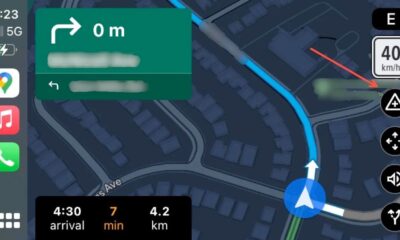
Google Maps lets you report traffic jams and accidents on Apple CarPlay, but not on Android Auto
-
 Apps2 years ago
Google Messages app will transform MMS chats into RCS
-
 News2 years ago
Samsung USA crafting One UI 6.1.1
-
 News2 years ago
Google Pixel Watch 2 Vs OnePlus Watch 2: The new champion?